
Turning Quantum Precision into Better Medical Imaging
Magnolia Quantum Sensing was founded in late 2025 with a singular purpose: to transform magnetic resonance imaging (MRI) by eliminating the uncertainty at the core of how images are formed. Our work is based on more than eight years of research, combining advanced optical quantum sensing with deep expertise in MRI physics. This effort has led to the development of the EXAAQ sensor: a novel quantum optical magnetometer designed to unlock capabilities in MRI that were previously considered unattainable.
At the Niels Bohr Institute, a magnolia garden stands as a quiet symbol of the home of physics. Among its blossoms, countless ideas have taken root.
Ours was one of them.
Magnolia Quantum Sensing was born from a close collaboration between the Niels Bohr Institute and the Danish Research Centre for Magnetic Resonance (DRCMR). Over eight years, this collaboration evolved from fundamental research into something entirely new: a high-field optical quantum magnetometer with the potential to redefine MRI.
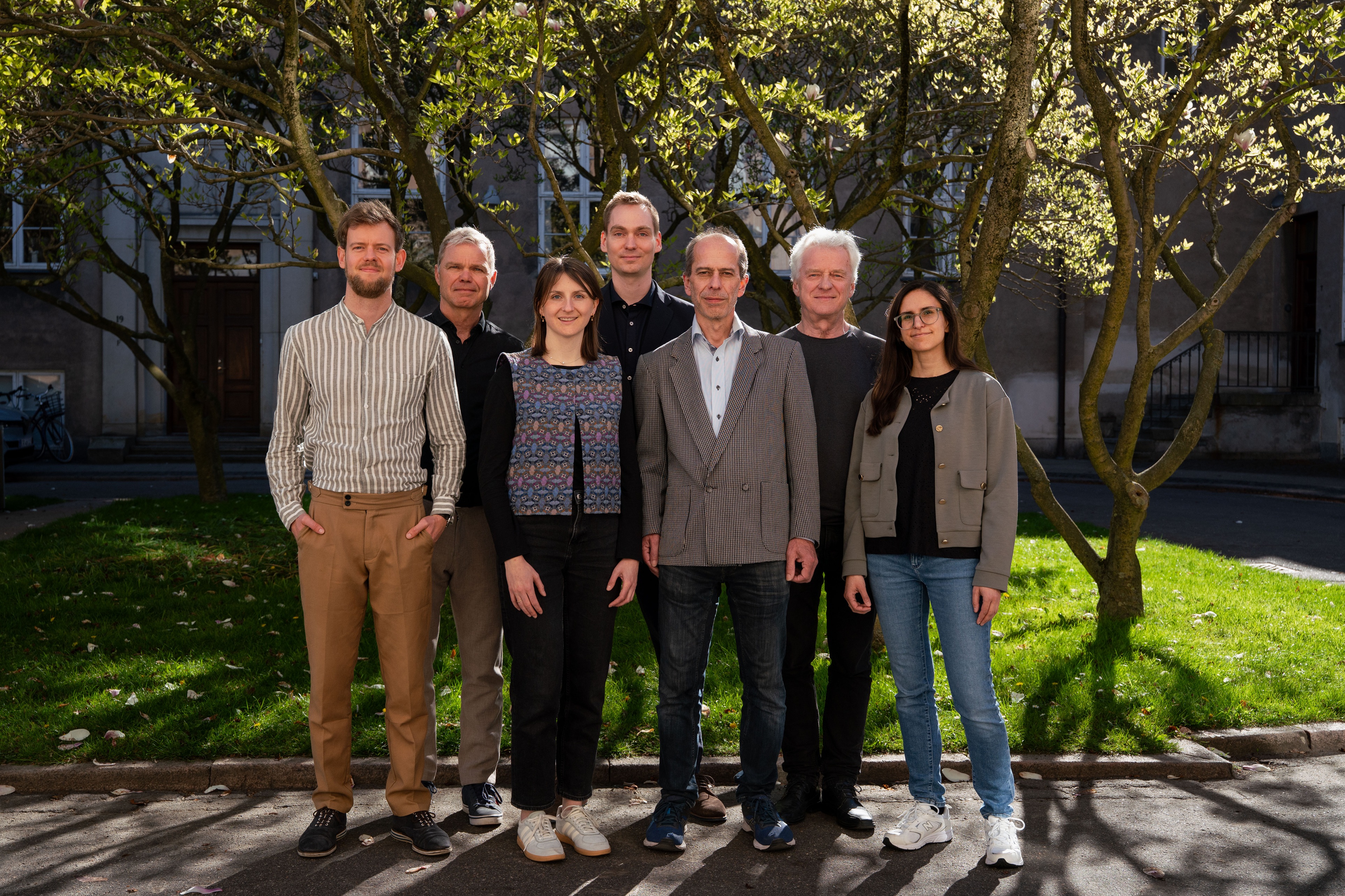
Our vision is clear and pragmatic. Our technology integrates seamlessly into existing MRI systems today and becomes a core component of every scanner tomorrow – replacing complex, assumption-based correction systems with a single, elegant, measurement-driven solution. By doing so, we aim to fundamentally change how MRI is designed, operated, and deployed within healthcare systems.
We believe that meaningful innovation must be grounded in scientific integrity and guided by responsible leadership. Our work is driven by precision, collaboration, accountability, and respect for diverse perspectives.
We value a science-based, open-minded, and non-hierarchical organization – one where ideas are continuously challenged, refined, and strengthened through dialogue. We strive to create a workplace where people can grow, thrive, and develop their full potential, united by a shared commitment to improving healthcare through rigorous science and thoughtful engineering.